


Documents
- Passport: Valid for at least 6 months beyond your planned stay (or as required for your visa type).
- Visa or visa exemption: Check whether your nationality needs a visa in advance, qualifies for visa exemption (often up to 60 days), or must use visa on arrival. See our visa guide and confirm on thaievisa.go.th .
- Thailand Digital Arrival Card (TDAC): Since 1 May 2025, all non-Thai nationals must submit the TDAC online within 3 days (72 hours) before arrival (air, land, or sea). Official site: tdac.immigration.go.th — see our full TDAC guide. Keep your confirmation or QR code for immigration.
- Travel insurance: Strongly recommended; some visas or airlines may require it.
- Hotel booking or address in Thailand (immigration may ask).
- Onward or return ticket showing you will leave Thailand within your permitted stay.
Cash or Credit Card
Thai Baht (THB) is the official currency used in Thailand. It is available in both coin and banknote forms. While credit cards are accepted at department stores, some convenient stores, and restaurants, it’s essential to note that many places do not accept credit cards, making it essential to have cash on hand.
Immigration may ask for proof of sufficient funds. Amounts depend on how you enter:
- Visa exemption: about 20,000 THB per person or 40,000 THB per family (or equivalent).
- Visa on arrival: about 10,000 THB per person or 20,000 THB per family.
See our visa guide for details.
In Thailand, there are no restrictions on the amount of thai or foreign currency tourists can bring into or take out of the country. However, if the total value exceeds $20,000 U.S. dollars or its equivalent, it is mandatory to declare the foreign currency to the customs officer when passing through the customs checkpoint. Failure to declare or providing incorrect information may lead to legal consequences.
In Thailand, the commonly accepted credit card brands are Visa and Mastercard. Furthermore, certain stores also accommodate JCB, UnionPay, American Express, and Diners Club. It's advisable to verify with the store prior to making a payment. Additionally, be sure to check the fee rates before using your credit card.
Plug Types and Usage in Thailand
In Thailand, the standard plug type is Type O. However, outlets commonly support Type A, B, and C plugs as well. Here's a breakdown of the main plug types:
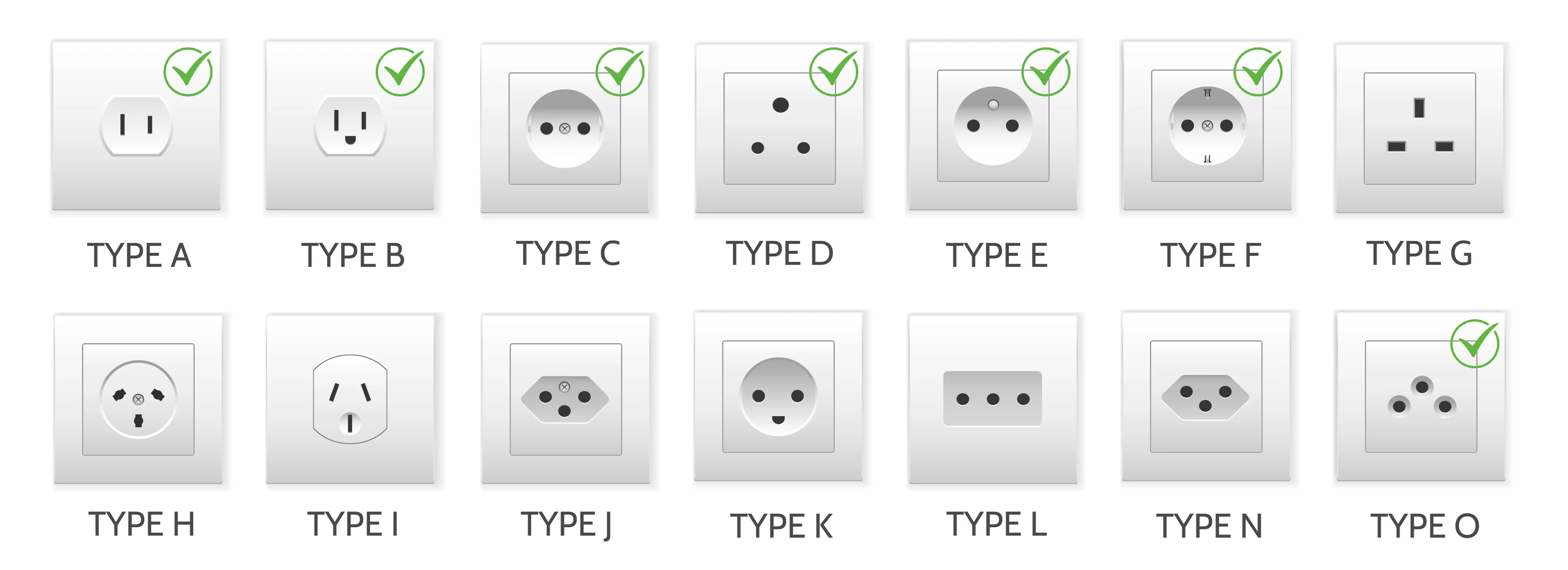
- Type O (Standard in Thailand): Two round pins with an optional grounding pin (three pins).
- Type A: Two flat pins (no grounding). Common for phone chargers and small appliances.
- Type B: Two flat pins with a grounding pin (three pins). Suitable for larger or high-power devices like laptops.
- Type C: Two round pins (no grounding). Often used for general devices and small appliances.
Tip: You don’t need to worry too much about compatibility if your devices use Type A, B, or C plugs, as most outlets in Thailand are designed to accommodate these alongside the Type O standard.
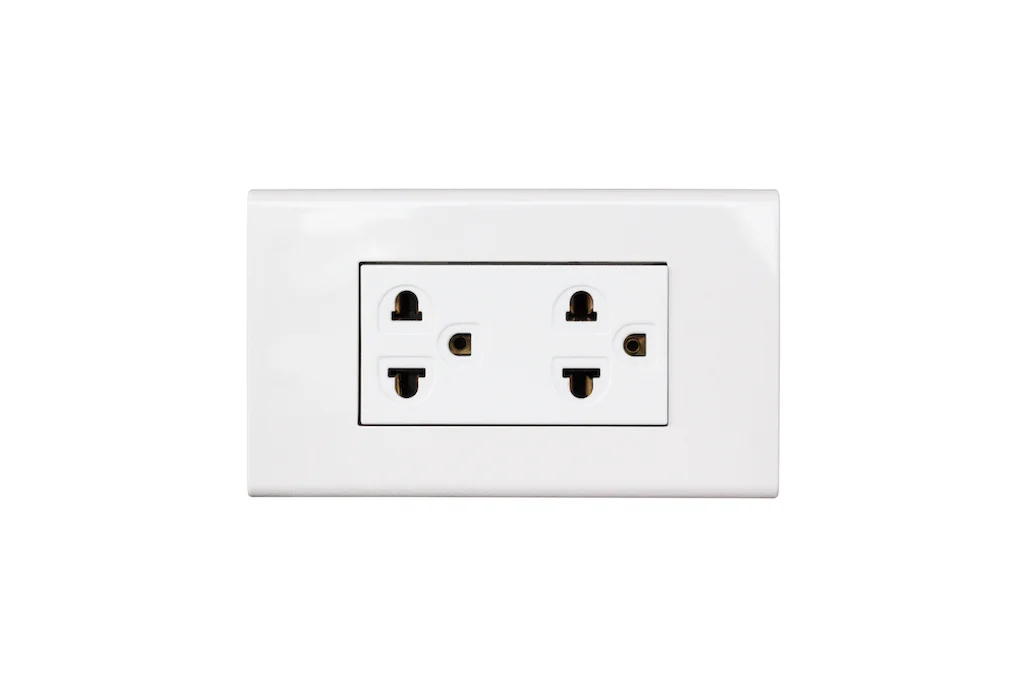
Voltage and Frequency: Thailand operates on a 220V voltage system with a frequency of 50Hz.
- Devices from countries using 110V (like the US or Japan) may require a voltage converter (transformer).
- Check if your device supports dual voltage (e.g., 100V-240V) before using it in Thailand.
Necessary items
- Comfortable Clothing suitable for hot weather
- Swimsuit
- Flip-Flops
- Personal Medications
- Sunscreen
- Sunglasses
- Hat / Cap
- Portable Fan
- Travel Neck Pillow
- Camera
- Power Bank
- Power Adapter: Type O is the standard plug type in Thailand. Additionally, Type A, B, and C are commonly used.
Note:
* Airlines frequently set a maximum weight for each piece of luggage. Please confirm the weight limit for each piece of luggage with your airline.
Prohibited Goods
- Narcotics
- Pornographic materials
- Counterfeit trademark goods and IPR infringing goods
- Fake notes or coins
- Reserved animals or CITES-listed wildlife
- * Fresh fruits, agricultural products, forestry, fisheries, and traditional medicine materials must be declared to the Plant and Animal Quarantine Officers for inspection before being presented to Customs.
Sources & references
Content reviewed against the sources below on 24 May 2026. Rules, fees, and phone numbers can change—confirm critical details with official agencies before you travel.